
One of our pillars is the commitment to the growth and development of our collaborators. Learn about the 2023 promotions in the Grant Thornton's teams.
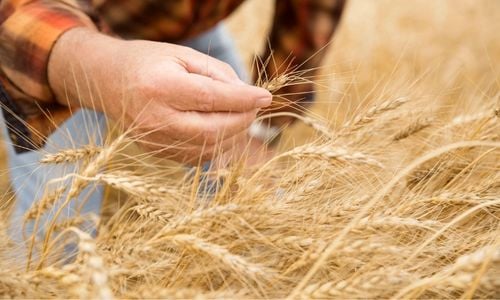
The drought caused by the “La Niña” meteorological phenomenon led, at the beginning of the year, to the Provincial and National Governments declaring a state of emergency and/or agricultural disaster in various regions of our country. As conditions did not improve, the tax benefits provided by the Agricultural Emergency Law No. 26,509 were extended for 8 months.
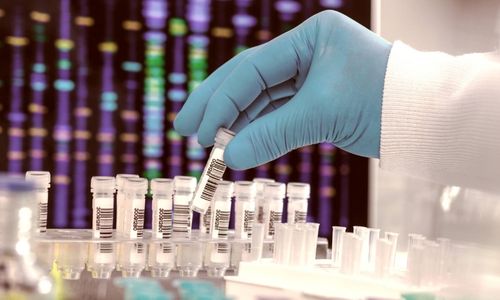
The world of life sciences is formed around a framework of requirements. These requirements include regulations as well as the needs of providers and patients.
We share five actions to ease the path to implementation, avoid unnecessary conflicts, and strengthen competitiveness in the future.
From where companies produce and source goods to how they structure their businesses, the impact of OECD Pillar 2 goes far beyond tax. So why is Pillar 2 so strategically critical and how can businesses turn a potential challenge into a source of competitive advantage?
The climatic phenomenon known as La Niña is causing serious problems in agricultural production throughout the country. For this reason, the National Government has decreed a State of Agricultural Emergency and/or Disaster in 13 provinces, find out in this note what that means.
On 20 December 2022, the OECD released its long-anticipated implementation package for Pillar 2, in this article, we provide a summary of the key highlights and what that means for the actions businesses should take.
Any expatriates who work in Argentina shall be subject to Argentina’s tax social security and migration rules and regulations. With an adequate tax and legal planning of the arrival of foreign executives to your company, you may have the advantage of certain tax opportunities and tax savings. Grant Thornton Argentina's team of experts in expatriate matters may help you, not only to obtain the relevant authorisations and registrations fast and efficiently, but also to implement the solutions fit for your company and your executives.
Are your management accounts delivered to you late every month? Rob McNally - Associate Director of Accounting Consultancy at Grant Thornton UK - explains how a simple checklist could help you meet your deadlines.
Every city official knows that if you’re not running a global capital, you’re going to have to work twice as hard to attract business investment.
Tax management within multinational enterprises has never been more challenging. 'Getting to grips with the BEPS Action Plan' is the latest report from our BEPS series exploring the OECD’s planned overhaul of the international tax system, what it means for businesses and how they can prepare.
The Organisation for Economic Co-operation and Development (OECD) is set this week to unveil a radical overhaul of international taxation. According to our latest International Business Report (IBR), a quarterly survey of 2,580 businesses in 35 economies, 74% of businesses would welcome more global cooperation and guidance from tax authorities. They’d like to know what’s acceptable and unacceptable tax planning, even if this provided less opportunity to reduce tax liabilities. So will the Base Erosion and Profit Shifting (BEPS) Action Plan result in a tax system that’s fairer, more efficient and more understandable? What are the risks and opportunities that may arise?
Three quarters of business leaders would pay more taxes in exchange for greater clarity from authorities on what is acceptable. And while few expect a global agreement any time soon, the majority would like to see their governments take unilateral action to help achieve this aim.
Relocation and restructuring can deliver significant commercial, operational and tax benefits and it isn’t just large multinationals who are on the move.
F&B companies are using international expansion to chase profits globally.
A detailed summary of a number of the European Commission's measures designed to address corporate tax challenges and issues of abuse.