
Do leadership styles differ around the world? This is one of the questions explored by our recent International Business Report. We asked 3,400 business leaders working in 45 economies to tell us how important they believe certain attributes are to good leadership.
We launched our annual M&A report – ‘Dynamic businesses at the forefront of M&A optimism’ – in Hong Kong last week. The report has provoked a good deal of debate and I just wanted to share two highlights from the data.
Denmark has made some fantastic television dramas over the past few years. ‘The Killing’ and ‘Borgen’ have been compulsive viewing in the Lagerberg household. Both place intelligent, strident women as the main characters and, in the case of political drama, Borgen, imitate life itself by prophetically telling the tale of a female Prime Minister – Helle Thorning-Schmidt becoming the first Prime Minister of Denmark in 2011.
Wherever I go in the world, I’d rather be walking a dog than stroking a cat. Some things are the same wherever you are. But does this include business leaders? Working with senior business people across the globe, I’ve found they do share a lot of traits – valuing integrity, a positive attitude and the ability to communicate – even across wide cultural divides.
The role of leaders in creating successful businesses and driving growth is crucial. How these leaders run their teams and make decisions can be the difference between success and failure. But do the leadership characteristics displayed by leaders vary from region to region?
I read a fascinating article in the Wall Street Journal the other day which suggested that my region could broadly be thought of as two separate entities.
The lure of China’s less well-known cities and the opportunities they present has been picking up speed for years, along with their impressive growth. In fact, while they are often described as ‘second-tier’ cities, many are in fact now wealthier than their ‘first-tier’ counterparts.
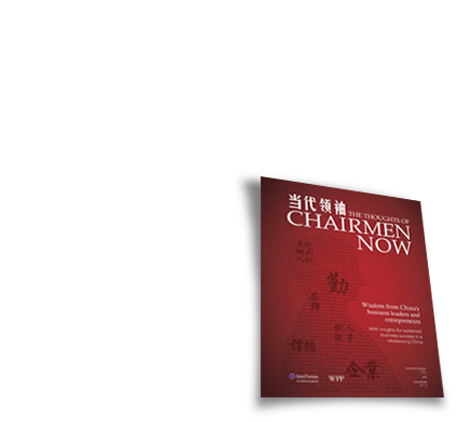
John Geldart has spent a lot of time in China over recent years. It is an amazing country which fascinates and surprises him every time he returns, but perhaps no more so than over the past few months when he has been lucky enough to interview the chairmen of some of its most dynamic companies.
Stefano Salvadeo was interviewed on Focus Economia di Radio 24 recently to discuss some positive indicators regarding M&A activity in Italy.
Reviewing the Q2 International Business Report (IBR[1]) results, I was pleased to see some good news for construction & real estate companies: Profitability expectations around the world are up. However, my optimism is tempered somewhat by recent news from China and it will be interesting to see how businesses react in Q3.
Dynamic organisations need to apply both reason and instinct when making business decisions is the cornerstone of our 2012 advertising campaign.
Our annual look at M&A sentiment around the world shows that the shift in acquisitive focus amongst businesses uncovered last year – from domestic to cross-border – is becoming increasingly popular as a key strategy for companies looking to facilitate growth.